October 5, 2026
Hiring a reliable and skilled hardscaping contractor is crucial to the success of transforming your outdoor space. Whether creating a new patio, building a retaining wall, or designing pathways, the expertise a contractor brings can dramatically impact the final results. Asking the right questions is imperative not only to ensure quality work but also to avoid potential pitfalls that could otherwise compromise your investment. The process of hiring a hardscaping contractor should involve thorough vetting by the property owner. This article will guide you through the essential questions to help you select a contractor that aligns with your vision and needs.
1. Contractor's Experience and Background
1.1. How many years have you been in the hardscaping business?
The experience of a hardscaping contractor plays a significant role in their ability to handle projects with competence. Contractors with many years in the business typically have worked through numerous challenges, honing their skills and expertise. Experience is a reliable indicator of a contractor's capability to foresee issues and implement solutions effectively. Furthermore, seasoned contractors are better at time management, often completing projects within stipulated timelines. Their longevity in the industry tends to speak to their reliability and the level of trust previous clients have put in their services.
1.2. Can you provide examples of past projects similar to mine?
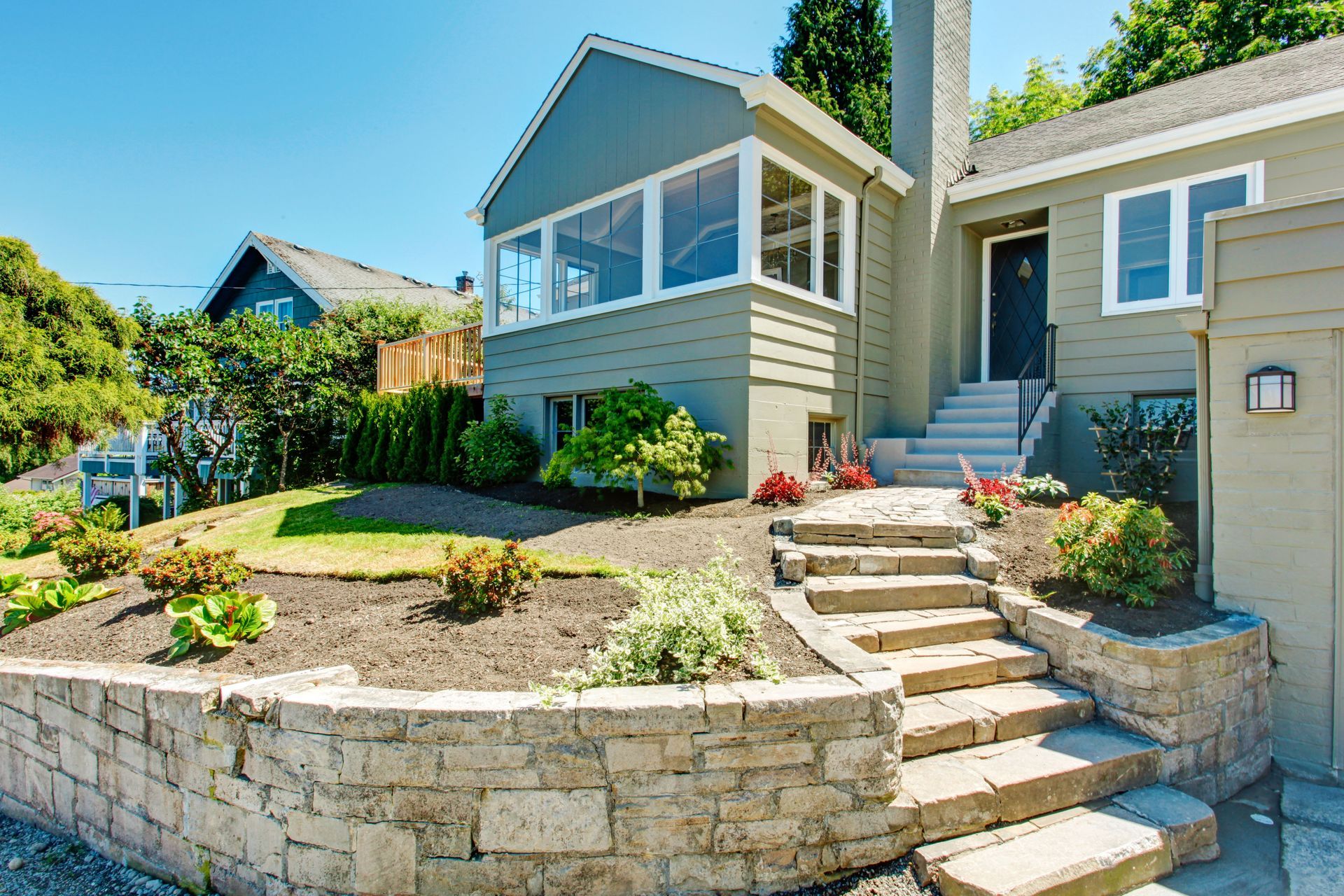
Examining a contractor's portfolio of past projects similar to yours can provide insight into their expertise and artistic capability. It allows you to assess whether their design style and quality meet your expectations. A detailed portfolio can also give you ideas and inspiration for your own project. Examples of past work showcase a contractor's ability to handle specific challenges, such as working with sloped terrain for retaining walls. According to This Old House, retaining walls are usually 3 feet tall, and retaining walls higher than 4 feet may require special permits, making it even more crucial for the contractor to have experience in these complex structures.
1.3. Do you have any professional accreditations or certifications?
Professional accreditations and certifications are strong indicators of a contractor's competence and commitment to quality standards. Being accredited often means the contractor adheres to industry best practices and continually updates their skills. Certifications can be acquired from reputable institutions, reflecting the contractor's dedication to maintaining a high level of professionalism. Additionally, it reassures clients that the contractor is knowledgeable about current trends and technologies. Hiring an accredited contractor can provide you with a greater sense of security regarding the integrity and accuracy of their work.
1.4. Can I speak to any references from previous clients?
Contacting past clients is one of the most effective ways to gauge the reliability and customer satisfaction associated with a contractor. Previous customers can provide unbiased opinions and insight about their experiences working with the contractor.
2. Project Planning and Design
2.1. How do you approach the design process?
A structured design process is fundamental to the successful execution of a hardscaping project. An organized approach typically starts with an initial consultation to understand the client's needs and the site’s characteristics. During this phase, experienced contractors will use measurements, site assessments, and software imagery to draft designs. They dedicate time to understanding how you intend to use the spaces, ensuring that functionality harmonizes with aesthetics. Moreover, a contractor’s methodical planning will address potential challenges before they arise, streamlining the entire project execution phase.
2.2. Can you incorporate my ideas and preferences?
For a project to be truly satisfying, it should reflect the homeowner’s preferences and personality. A flexible contractor will work closely with you, valuing your input and adapting their design to incorporate your ideas. Open communication ensures that the outcome aligns with your vision while making necessary improvements to enhance overall functionality and appeal. Reconciling professional expertise with client input often provides a pleasing and tailored result. Collaborative designs reinforce the client’s sense of ownership, allowing them to enjoy a more personal connection with their outdoor environment.
2.3. Do you create a detailed project plan and timeline?
Establishing a comprehensive project plan is critical for mapping out every phase of the hardscaping process. Such a plan should outline key tasks, deadlines, and deliverables, providing a clear roadmap for success. Creating a timeline not only manages expectations but also helps avoid delays and miscommunications that could derail the project. Contractors who provide detailed planning promote transparency and efficiency, ultimately leading to better project outcomes. Furthermore, a well-structured plan simplifies monitoring progress, ensuring that the project remains on track and within budget.
2.4. What are the key design elements you focus on?
Effective hardscape designs integrate crucial elements such as aesthetics, functionality, and sustainability. Aesthetic appeal ensures that the design is visually pleasing, often enhancing curb appeal and property value. Functionality focuses on maximizing the utility of the space, ensuring that the design accommodates the intended activities and traffic flow. Sustainability is increasingly vital, with contractors considering eco-friendly practices and materials to minimize environmental impact. By prioritizing these key elements, contractors can deliver designs that are not only beautiful but also practical and environmentally responsible.
3. Material Selection and Quality
3.1. What materials do you recommend for my project?
The choice of materials is a crucial aspect of any hardscaping project, significantly influencing the cost, durability, and aesthetic. Contractors usually recommend materials based on factors like climate, intended function, maintenance, and client preferences. For instance, natural stone offers timeless beauty and durability, while concrete pavers may provide a versatile and cost-effective option. Understanding these variables helps ensure that the materials chosen align with the design and practical requirements of the space. An experienced contractor will guide you through this selection process, helping you make informed decisions.
3.2. How do you ensure material quality and durability?
Quality materials are foundational to the longevity and integrity of a hardscaping project. Contractors typically source from reputable suppliers known for their high standards and consistency in material production. They also inspect materials upon delivery and throughout the installation process to secure the best outcomes. Employing robust, state-of-the-art construction methods complements quality materials, ensuring new features withstand wear and weather over time. By prioritizing material quality, contractors help protect your investment, delivering a final product that looks great and lasts for years.
3.3. Are there eco-friendly material options available?
Environmental consciousness plays a growing role in material selection within the hardscaping industry. Many clients seek eco-friendly options, including reclaimed stone, permeable pavers, and sustainably sourced wood. These materials reduce the carbon footprint and often blend seamlessly into the natural landscape. Adopting green building materials can also contribute to better water management, promoting sustainability. Contractors knowledgeable about eco-friendly options can guide you toward a more environmentally responsible project.
3.4. Can you recommend cost-effective alternatives?
Budget constraints are a common challenge in hardscaping projects, prompting contractors to suggest cost-effective solutions without sacrificing quality. Contractors might propose alternatives such as using manufactured stone over natural quarried stone to lower costs. Exploring various suppliers and brands can also yield competitive pricing options. Moreover, contractors may identify design modifications that maintain functionality and attractiveness while adhering to financial limitations. Open discussion about budget can lead to creative solutions, ensuring the project's affordability and success.
In conclusion, asking the right questions is a fundamental part of selecting the right hardscaping contractor and ensuring project success. Understanding their experience, design approaches, material choices, project management, and support can help you make an informed decision. By asking these questions, homeowners can navigate the contractor selection process with confidence, ensuring informed investment in their property. Proactive communication and scrutiny of potential contractors protect you from avoidable pitfalls while focusing on building fruitful partnerships. Be sure to reach out to Northwest Landscaping and Sprinklers, LLC for more information on our professional hardscaping contractor!